Transform Your Photos into Stunning Wallpapers: The Ultimate Guide
By Joe
Published January 26, 2024
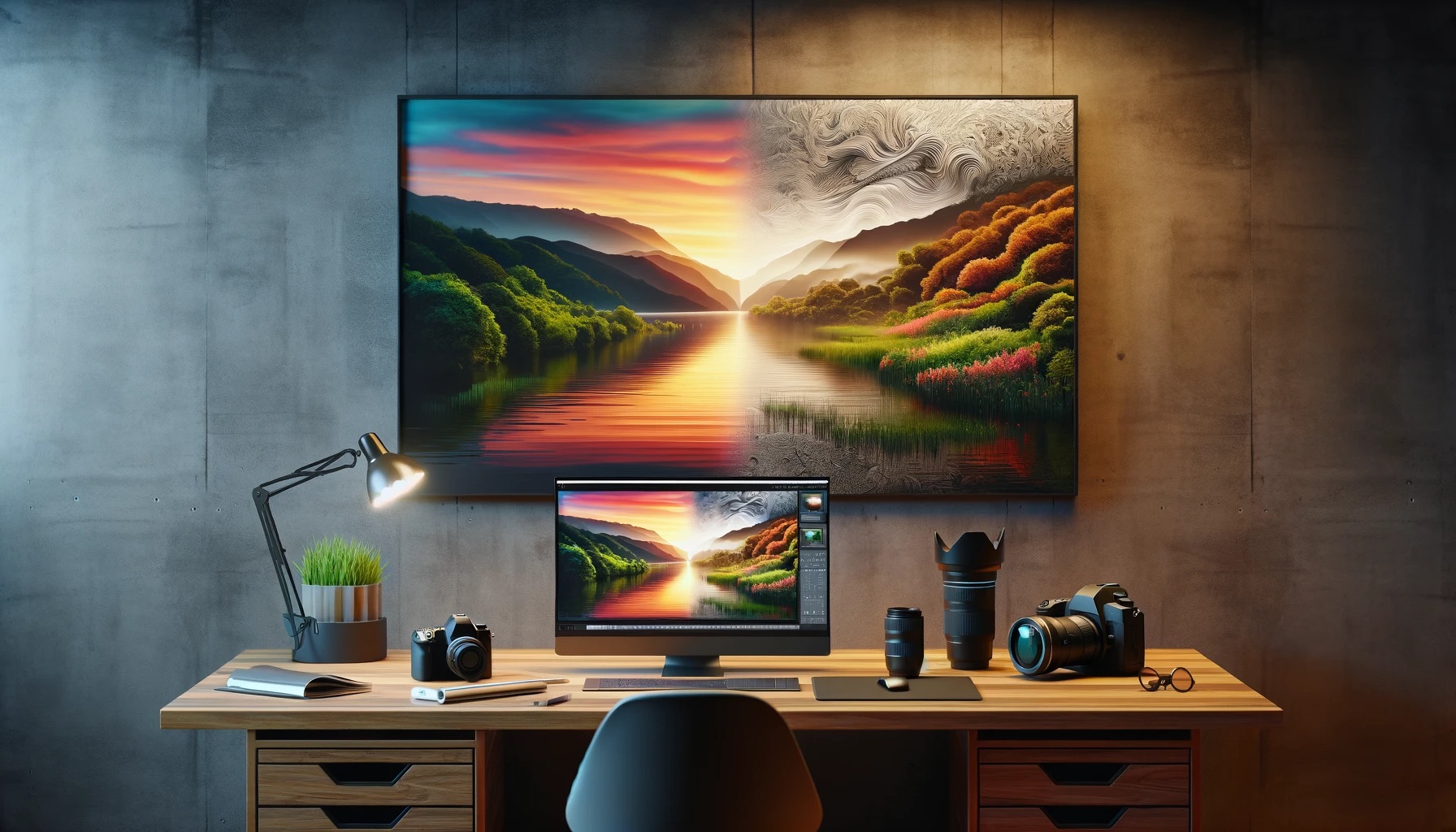 Transform Your Photos into Stunning Wallpapers: The Ultimate Guide
In the era of digital personalization, transforming your ordinary photos into stunning wallpapers for your devices is not just a trend, it's an art form. With the advent of high-definition (HD) cameras, the allure of creating visually striking backgrounds for our smartphones, tablets, and computers has never been more compelling. This ultimate guide will walk you through the seamless process of using your HD camera photos, employing an image upscaler for enhanced clarity, and harnessing the power of an image background remover to craft personalized wallpapers that are truly unique.
Capturing the Perfect Shot with Your HD Camera
Before diving into the transformative process, the journey begins with capturing that perfect photo. HD cameras, whether standalone or part of your smartphone, are equipped to capture images in stunning detail and vibrant colors.
- Understanding Your Camera's Potential: Learn about resolution, lighting, and composition to take full advantage of your camera's capabilities.
- Composing Your Shot: Focus on subjects that resonate with you. Whether it's a serene landscape, urban skyline, or a candid moment, the subject of your photo will be the centerpiece of your wallpaper.
- Experimenting with Angles and Perspectives: Unique angles can add an intriguing dimension to your wallpapers.
Elevate Your Image: Upscale for Enhanced Clarity
Once you have your photo, the next step is to Upscale the Image. Upscaling is the process of increasing the resolution of your photo to ensure it looks crisp and clear on larger screens.
- Choosing the Right Image Upscaler: Select an upscaler that maintains image quality while enhancing resolution.
- Maintaining Image Quality: Understand how to upscale photo without losing the essence of what makes it special.
- Adapting to Different Screen Sizes: Learn how to adjust the resolution for various devices, ensuring your wallpaper looks great on any screen.
The Art of Removing Distractions: Image Background Remover
The key to turning a good photo into a great wallpaper is often in what you remove from the background. With background removal, you can eliminate distracting elements and focus on what matters most in your image.
- Selecting the Right Background Remover: Not all background removers are created equal. Choose one that offers precision and ease of use.
- Focusing on the Subject: Highlight what’s important in your photo by removing unnecessary background elements.
- Creative Freedom: Explore how removing the background can open up creative possibilities, allowing you to add new backgrounds or effects.
Bringing It All Together: Crafting Your Wallpaper
With your upscaled and refined photo, it's time to turn it into a wallpaper.
- Adjusting for Devices: Adapt the image to fit different screen dimensions, keeping in mind the placement of icons and widgets.
- Adding Personal Touches: Incorporate text, filters, or additional graphic elements like free PNGs or free SVGs to further personalize your wallpaper.
- Saving in the Right Format: Understand the best file formats for different devices to maintain image quality.
Conclusion: Unleash Your Creativity
The process of transforming your photos into wallpapers is more than just a technical endeavor; it’s a creative journey. By mastering the use of an AI image upscaler and image background remover, you open up a world of possibilities, turning everyday photos into personalized digital art. So, take out your camera, capture the world around you, and start creating wallpapers that not only beautify your devices but also reflect your unique perspective and style.